
Introduction
Hercules Audio were a brand I knew very little about until Canjam London 2025. Wandering past their unassuming stall on my way in, I was actually heading there to check out their flagship IEM the Moses, but their demo units were already in use so I grabbed a set of the Noah to pass the time while waiting. I’m very glad I did, as it’s fair to say it made a big impression on me almost immediately, with a tuning that was vivid, bassy and unashamedly musical. There was plenty of audio gear that really caught my ear at this year’s get together, but the Noah kept calling me back to the table for multiple listens, so it was inevitable I’d end up picking up a set to review.
The Noah were purchased direct from the UK dealer Elise Audio, and no input was sought or received from either the dealer or the manufacturer for the content of this review. All opinions (however misguided) are 100% my own.
Unboxing and build
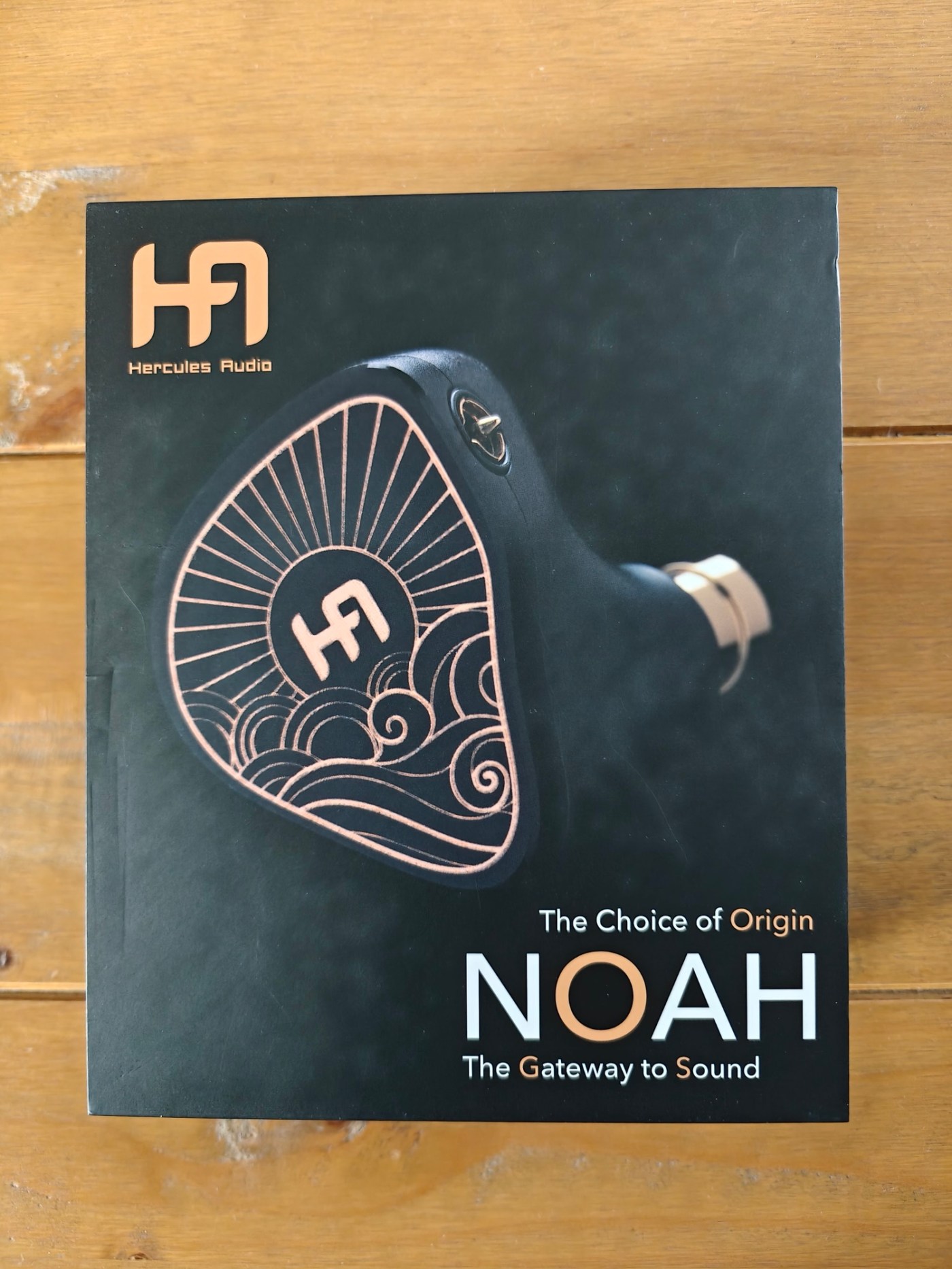
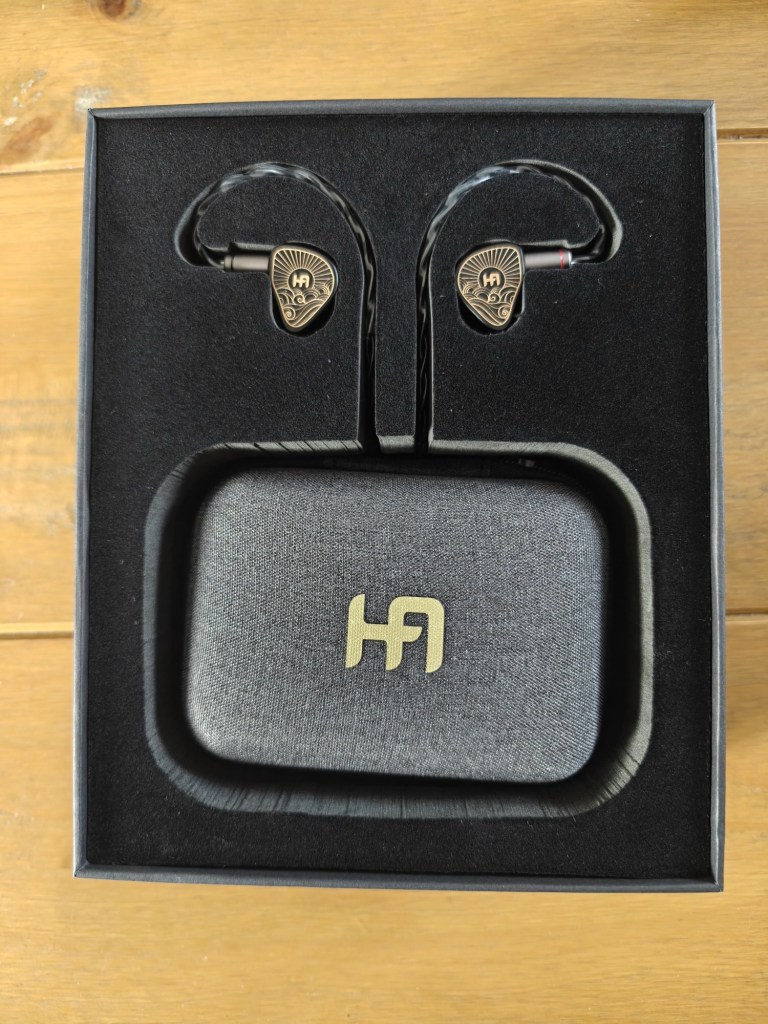
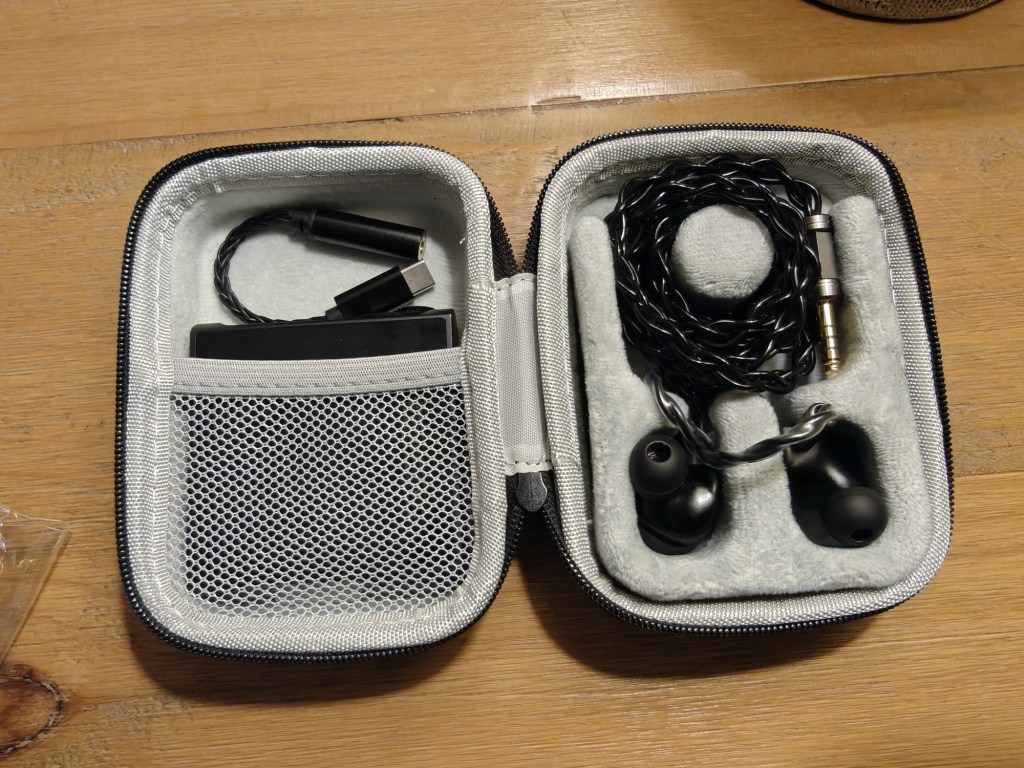
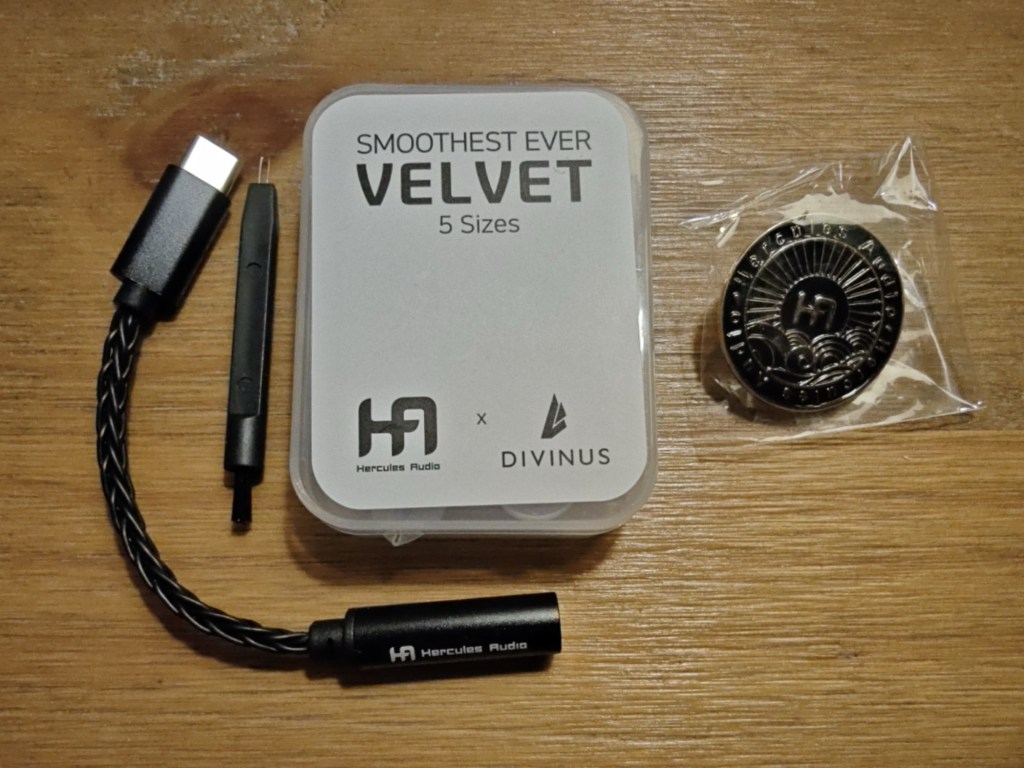
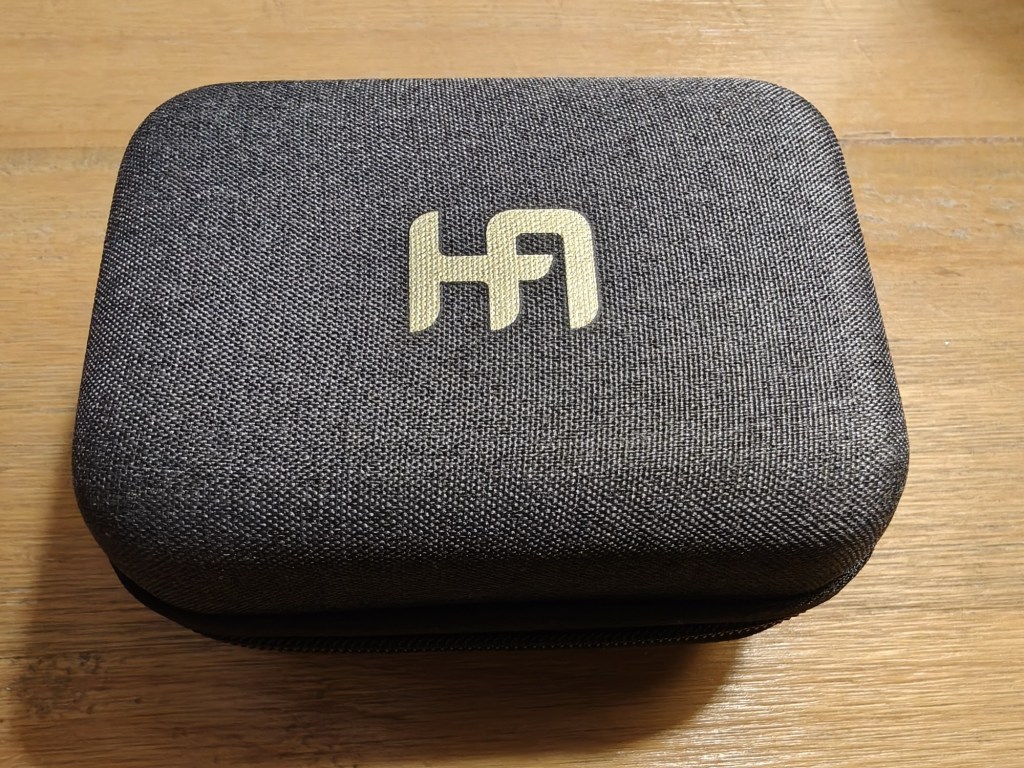
The Noah comes in a pretty impressive package for the price. The packaging is shoebox sized, with an illustrated sleeve showing a nice glamour pic of the Noah on the front and an array of tech specs on the back (see below). Slipping the cardboard sleeve off and opening the box itself, you are presented with the IEMs themselves in a foam cutout, along with a mid-sized carrying case. Opening the case reveals some Divinus tips, a usb-C to 4.4mm DAC/dongle adapter and a standard IEM cleaning tool. The initial units also included a Hercules Audio in badge, which is a nice touch.
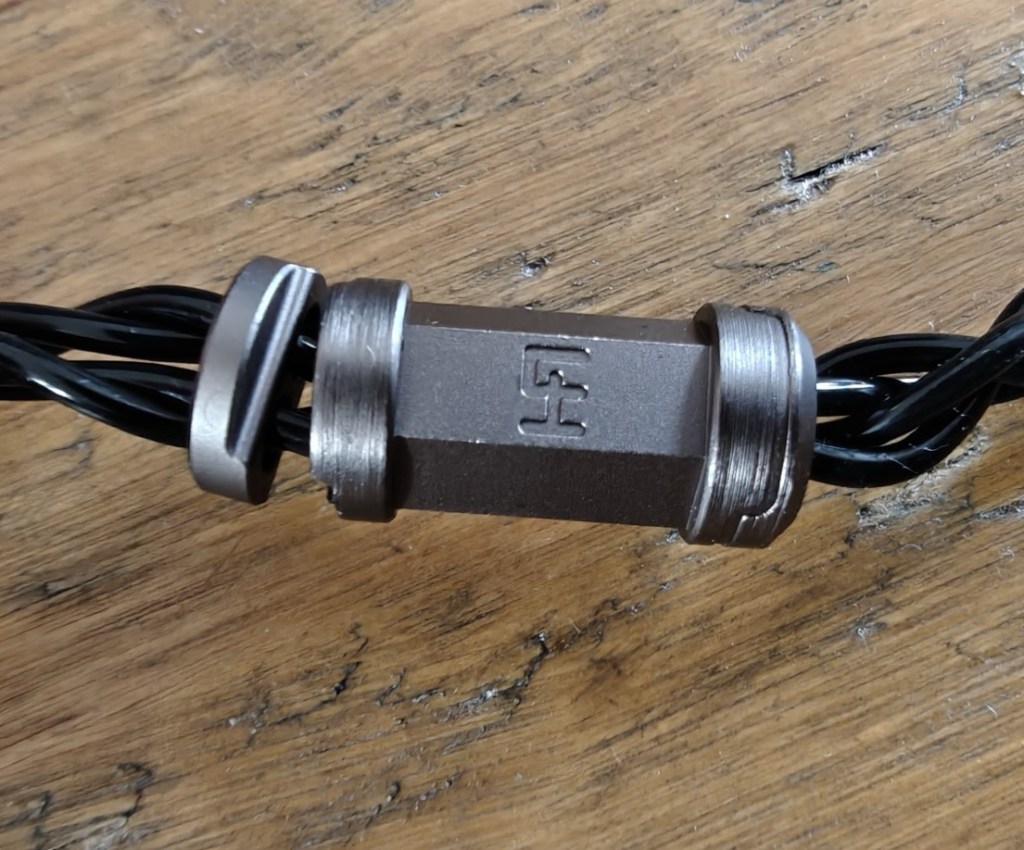
The Noah are shipped connected to a nicely built 4.4mm cable called the Ark in a 22AWG / 4 wire configuration. This is a Hercules Audio “house cable”, and is finished with some branded splitter and termination hardware, with a very good looking black plastic sheathing on the cable itself. The terminations themselves are pretty low profile, which is always nice, and makes using the Noah with your portable pocket gear just a shade easier.
Overall, a very nicely presented and high value loadout, with the branded Velvet tips and decent quality cable, usable case and usb-C dac adapter giving you pretty much everything you need to get going in one well-put together package. As an added bonus, while the case is designed more for your backpack than your pocket, it is big enough to hold my current “walk around” DAP (the Shanling M1S), meaning I can pack everything for a random audio trip into the one case in my backpack or carry on luggage.
Build quality and ergonomics
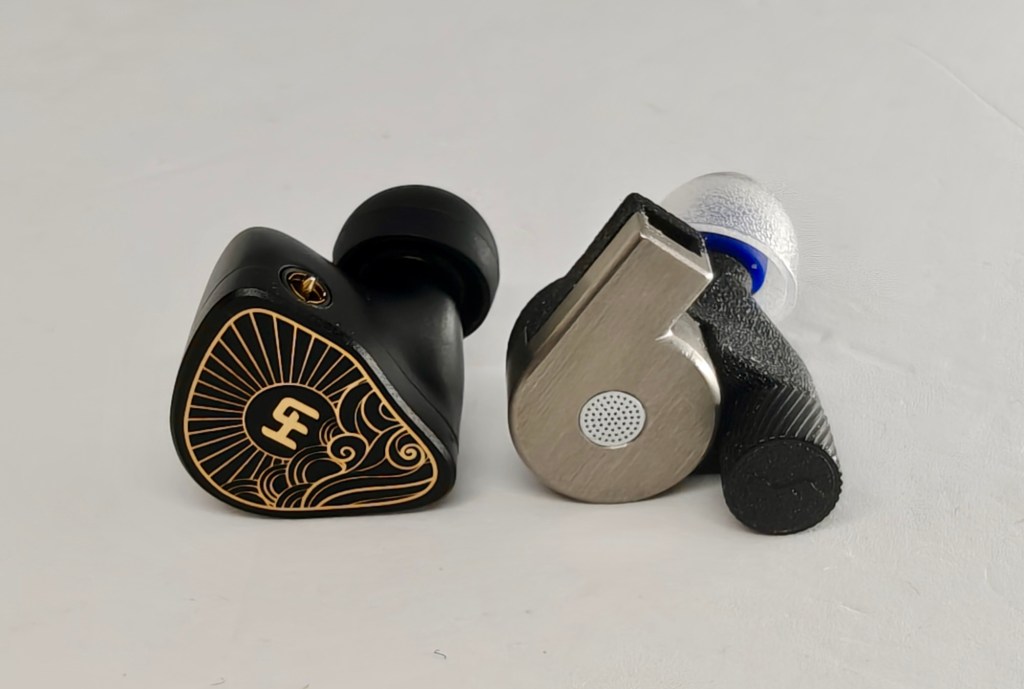
The Noah is a pretty well put together in-ear, sporting an all metal shell made from Aluminium. It has a fairly smooth pseudo-custom design, but does lean on the larger side of things for a 4-driver unit. The size of the shells doesn’t actually cause any discomfort, but these definitely aren’t for those listeners with pixie ears.
I find the fit comfortable but pretty shallow given the size of the shells, relying on the tips to provide the majority of the seal and the solidity of fit. The heat-shrink wraps on the cable do help the Noah stay put once it’s seated, but the Noah definitely isn’t a snug fitting in ear, and tends to stick out a little from my ears in general use, although it is pretty stable.
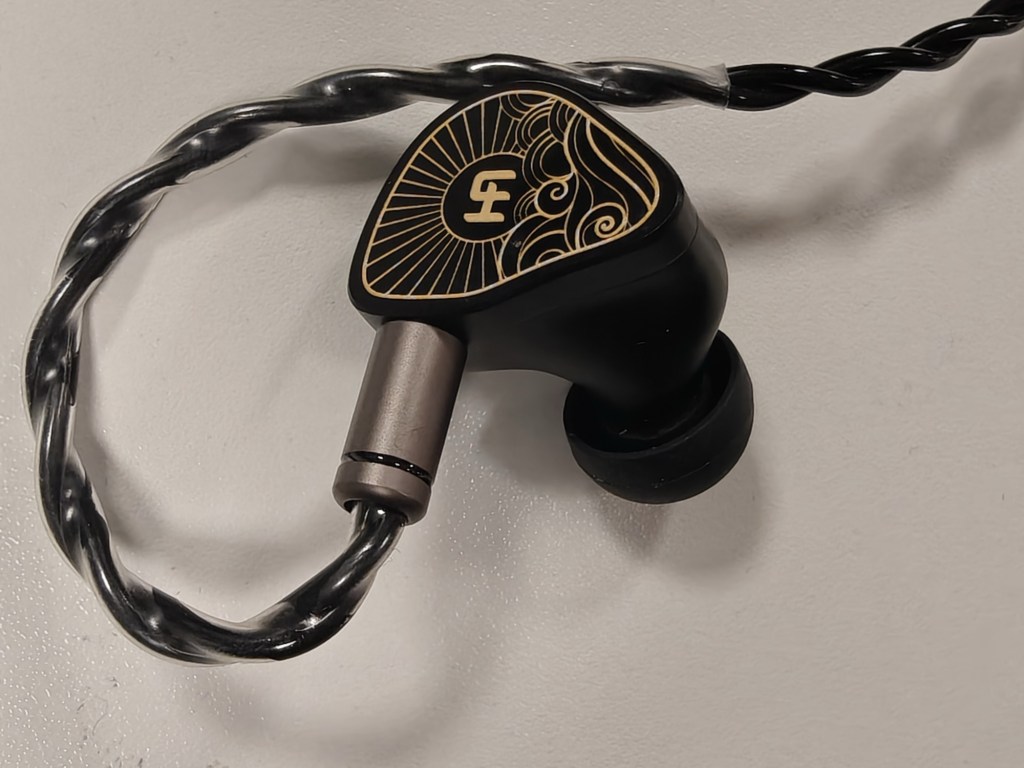
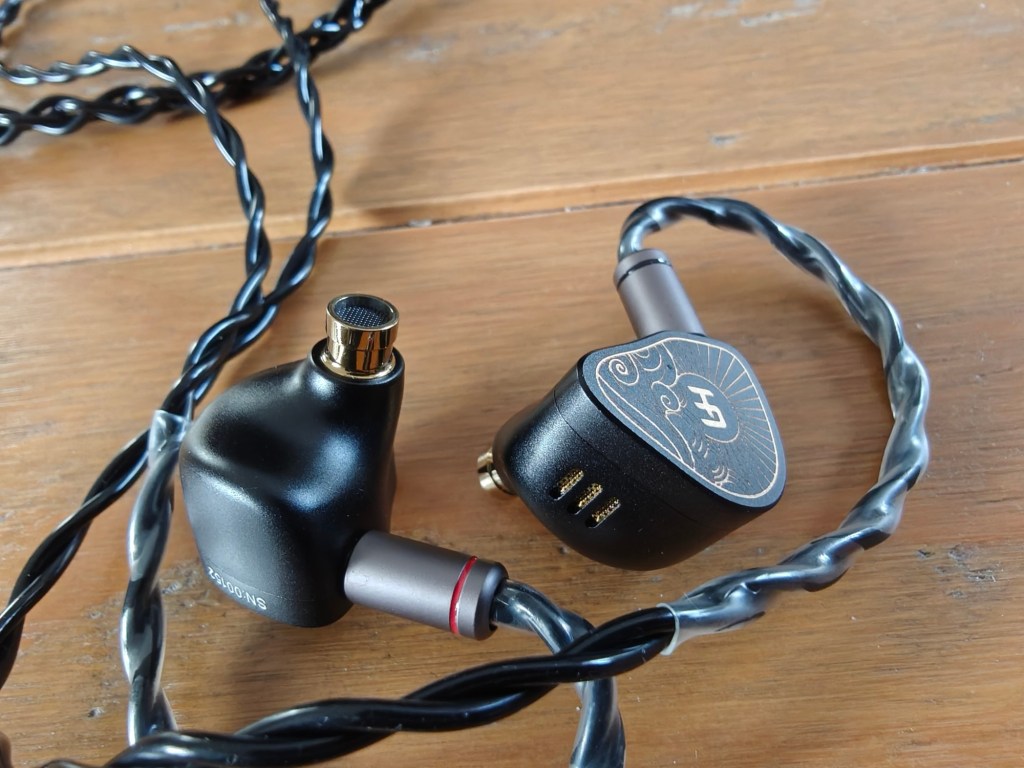
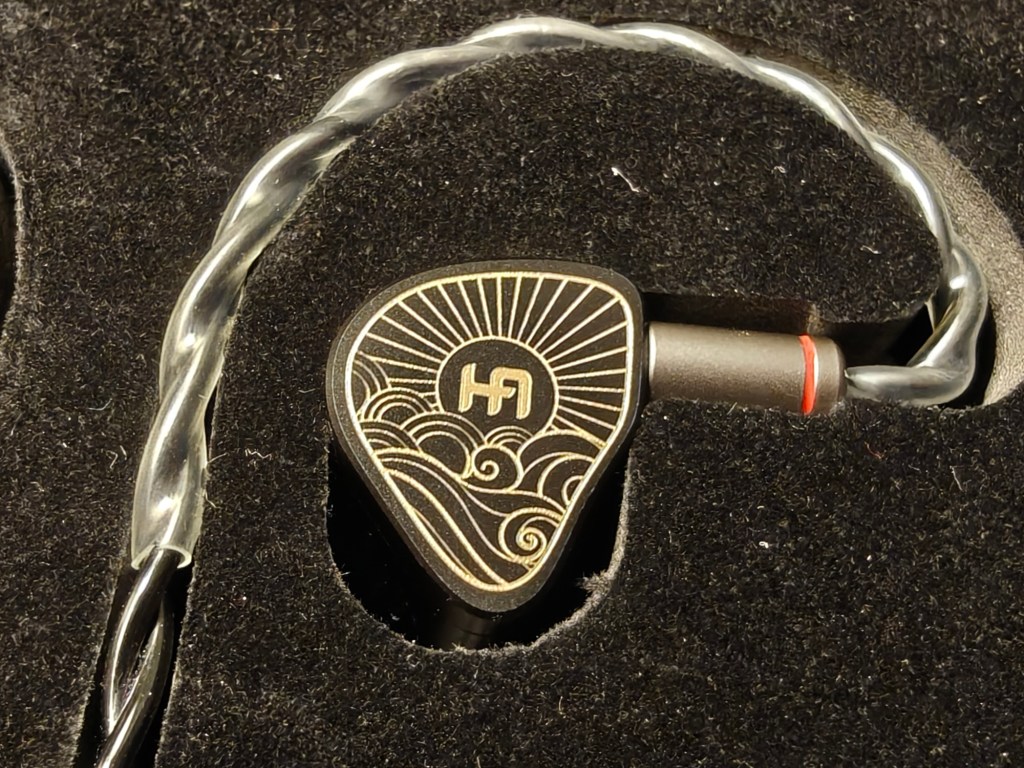
The overall design of the IEM is attractive but not mind blowing, with a flat metal faceplate with some nice HA electroplated artwork and logo on each shell. There is an interesting vent system visible on the underside of each IEM shell which is finished in a gold mesh, alongside gold nozzles, adding a little bit of interest to an otherwise smooth and standard shell design.
The Noah is a Pentaconn IEM through and through, with Pentaconn Ear connectors at the shell end and a 4.4mm connector for the source. The cable feels supple and ergonomic, and shouldn’t give any reason to delve into the aftermarket cable arena for this particular IEM. Overall, nicely sold build and comfortable and aesthetically pleasing enough to keep most people happy.
Technical specs
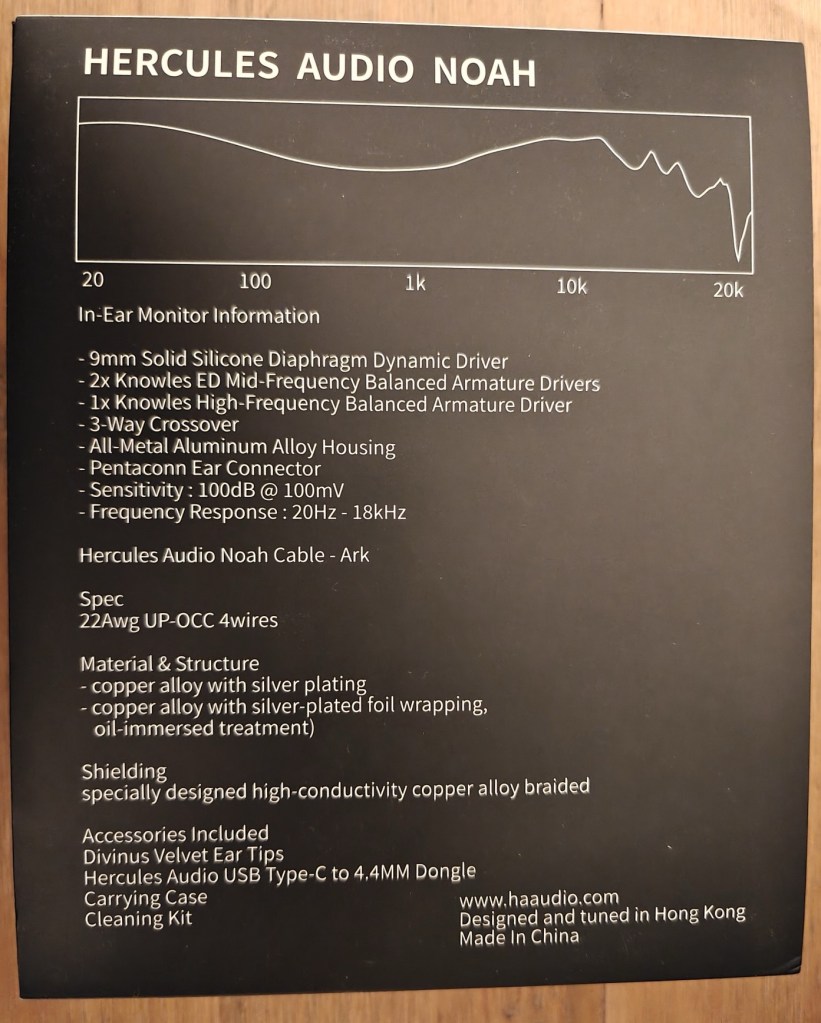
General notes on tuning
The Noah is an interesting IEM to describe, with a highly stylised tuning that sounds in turns bassy, mid forward and balanced depending on what you feed it. It packs a real punch and weight down low, but follows it up with a nicely present and textured midrange that sits close to the ear and a sweet treble that adds detail and air without heat. It presents as a sort of XXX or W-shaped tuning to me, with a slight emphasis in the lower frequencies over the treble.
One aspect that is quite obvious is the size of the sonic presentation, with the Noah being a large sounding IEM. It’s reminiscent of classics from Campfire Audio like the Atlas in that regard, giving instruments and vocals some serious size and scale. The soundstage isn’t the most holographic or wide thing you will hear, but there is plenty of technical capability there to render fine detail and separate individual layers and instruments, so it is a very engaging tuning overall.
When I heard these first at Canjam London I think the words I used were “toe-tapping”, and I still stand by that. The Noah has a musical, vibrant tuning that carries plenty of weight in all the right areas, and really engages the listener in the music. Yes, it’s definitely a little coloured, but in this instance that’s definitely a good thing.
Bass
Kicking off with “Heaven” by Emile Sande, the first thing that hits you out of the gate is the nice thick sub bass tone – the Noah definitely isn’t shy in the low end. There is a nice balance of sub bass vibration in the opening bars and a little more heft further up, giving the bass a solid and meaty presentation in the ear. It’s musical, and most definitely north of neutral, but feels controlled and dense rather than bloomy or too bombastic. Listening to something like “Why So Serious?” from The Dark Knight OST, the famous sub bass drop at the 3:26 mark kicks in with genuine weight and plenty of ear-filling presence.
The subtle ticking that kicks in on the track comes in a little later than on some of my higher tier IEMs, but it’s still no slouch in that department, so despite the significant sub volume, there isn’t much in the way of bass masking going on. On “Palladio” by Escala, the subtle click in the left foreground is audible at the 0:06 mark but not pronounced, sitting slightly behind the cello on the stage, so these aren’t the most revealing in ears you will ever listen to, but for the price and the tuning they are going for, they do a very respectable job. In contrast, “Dubai Blues” by Chickenfoot plays Chad Smith’s subtle snare ghost notes on the drum intro as clear as day.
Mid bass is also voluminous, probably leaning a little more emphasised than the sub. There is a fantastic organic and lifelike tone to instruments like bass guitars – “You’ve Lost That Lovin’ Feelin'” from Elvis’ posthumous album with the Royal Philharmonic plays liek liquid velvet in the ear, the rich strains of the orchestral backing blending with the sinuous bassline to give a rich and weighty backing to the King’s classic vocal. Cranking up “Drift Away” by Dobie Grey, the bass guitar is almost ice cream headache inducing, staying just soft and loose enough to avoid pushing a full blown migraine through the front of your skull. There is a nice resonance to the guitar notes, filling the lower end of the stage – this is big bass, but big in scale rather than absolute decibel output.
“Bad Rain” by Slash takes that scale and runs with it, the grungy bassline intro sounding fat and raucous, but scaling back the slam of the kickdrum a little compared to true basshead IEMs like the Fatfreq range. Again, there is plenty of grip and control, but also a little softness around the decay of the notes that just gives a hint more warmth and musicality to things. You can hear plenty of subtle artifacts like string noise and fretting sounds on tracks like “Hello, It’s Me” by Sister Hazel, but the signature bassline is as smooth and slinky as it is when I’ve heard it on gear costing south of $1k – whatever venting and design they are using for the dynamic driver over in the Hercules Audio labs, they are doing a fine job.
Mids
Quickly firing through my usual demo tracks, “World On Fire” and “Shadow Life” are first up, as a test of the general speed, bite and tone of the midrange. The Noah presents both tracks with a nicely weighty guitar, the frenetic riffing holding its shape nicely and giving plenty of definition alongside a hefty and very organic sort of timbre, reminiscent of the classic JH Audio midrange sound. “Shadow Life” in particular is handled well, with the staccato riff that kicks in around the 0:40 mark feeling both heavy and nimble at the same time. There is a nice roundness and heft to electric guitar on these in-ears without sacrificing detail or speed – they aren’t the fastest monitors you’ll ever listen to, but again, for the price and tuning there is definitely technical prowess on display here.
Sticking with Slash, “Starlight” is next up to check for general harshness and sibilance. I was surprised to hear a little peakiness around the 0:08 mark in the pinched harmonic guitar intro, so I suspect there is a little emphasis in the upper midrange somewhere that might get a bit interesting on certain tracks, but it’s still the right side of listenable for me. The subtle vibrato on the guitar as it fades out around the 33 second mark is well rendered, again highlighting the subtlety of the Noah alongside the more bombastic elements. Myles Kennedy’s voice has a nice polish to it through the Noah, hitting the stratosphere at various points but not sounding raw or grating.
Similarly “Whiskey And You” by Chris Stapleton sounds more polished than piercing, adding a rich layer of velvet to Stapleton’s distinctive rasp and neatly sidestepping the somewhat roughly mastered elements of the chorus. Again, there is the occasional hint of overemphasis on certain notes he hits, but in the main, this is a very nice presentation of the track which keeps the grit but without making it unlistenable. My final tester for vocal sibilance is “Through The Echoes” by Paolo Nutini, and here the Noah skirts with rawness more than on the other two tracks, playing Nutini’s raspy vocal on the chorus with plenty of bite, which might get a little fatiguing for some.
In terms of overall tonality of the midrange, there is a euphonic sheen to instruments like acoustic guitar which give the Noah a nice dose of sweetness that plays well against the more in your face aspects of the tuning. The guitars on “Broken Halos” and “Millionaire” by Chris Stapleton sound luminous, rendering cleanly and really engaging the listener.
Piano also sounds euphonic, with a semi-realistic timbre with just a hint of extra warmth and resonance to make things more interesting. “Run” by Leona Lewis is a fine example here, the Noah doing well to pick up the delicate vocal phrasings against the plaintive piano refrains that kick the track off. As the track cranks into gear, the full orchestral sweep fills the ears very nicely, making the track sound positively massive – a very grand rendition. Similarly for “Since You Were Mine” by Smith & Myers, there is a little extra hefty in the piano and a thicker undertone to Brent Smith’s voice, making it sound dense but not chesty, and capturing the rawness of the delivery nicely.
As far as vocals go, the Noah is a very good performer in its price bracket, and probably in the sub-$1k bracket full stop. It does a good job of capturing the emotion the phrasing of artists like Elvis Presley, tracks like “I’ve Got A Thing About You Baby” and “Kentucky Rain” from his RPO albums both highlighting the beautiful tone of the legend from Memphis.
Going a little more raucous, the Noah sounds equally as good with tracks from artists like JJ Grey and Mofro, picking the gravel out of Grey’s vocal on “Everything Good Is Bad” and dipping it in honey before dumping it in the ear of the listener. Again, there is plenty of fine detail audible around the phrasing of the vocal, capturing a lot of the quieter breath sounds without sounding overly analytical or sterile. Listening to chestier male vocals on tracks like “Give Me Some Light” by Matt Andersen, the Noah doesn’t go overboard with the sweetness – Andersen’s ultra-rich voice can sound cloying on some monitors, but the Noah manages to keep a little bite to avoid the track sounding too warm. This track is the audio equivalent of slipping into a nice warm bath on good audio gear, and the Noah doesn’t disappoint here.
If ther say the soul of most music is in the midrange, this holds true for the soul of this IEM. It’s a well judged tuning with a nicely forward and engaging positioning and just enough colouration to make it interesting. Well played.
Treble
The treble is nicely judged on this IEM, leaning just a little forward in terms of presence and crispness, giving the meaty midrange and bass a little air to breathe but not being overly sharp or sparkly. If you are looking for treble brilliance, the Noah won’t be the last word in crystalline upper end, but it’s definitely not lacking.
Cymbals decay nicely, giving a realistic presentation, especially for the price bracket. You get a a slightly longer tail on the cymbal hits on tracks like “Go” by the Chemical Brothers on higher end ($1k+ gear) or more treble-centric IEMs, but that feels like nit-picking given the price bracket we’re talking about. Sticking with this track, the swirling synth runs in the chorus float around the top end of the stage, cutting back nicely against the pumping synth bass line and giving the sound a grand feel in the ear.
Similarly on “Radiate” by the same artist, the subtle electronic noises in the intro render well on the Noah, and “Saturate” from their “We Own The Night” album is an an enjoyable blend of low end drive, crisp hi hats and cymbal work as the chorus gets going, the ever-rising synth lines in the background taking just enough emphasis in the ear to keep the track engaging.
Overall, the treble is quite smooth, lacking the sharp crystalline edges you get on something like the Soundz Flame. This plays very nicely to my own personal preference for treble presentation – I prefer treble that is clean and full bodied rather than crunchy and brittle, and the Noah definitely tick the boxes for me here.
Listening to tracks with a little more bite like “Figaro’s Whore” by prog supergroup Sons Of Apollo, the Noah has plenty of presence but adds a nice layer of polish to the start of the track, leaving is sound a little forward but still rich in the ear. Similarly on “Chi Mai” by violin duo Duel, the opening strains of the strings sound crystal clear but rich in tone and body, playing off against the subdued sparkle of the keyboards behind to give a nicely organic and musical feel to the upper end. Musical is a word I’ve used a few times so far, but it seems very apt here, the Noah doing well to suck the listener into this multi-layered track without over-emphasising any particular element.
Overall, treble sounds clean and clear, a little north of neutral but not overcooked. It balances out nicely against the richness and weight of the tones underneath to give the Noah a little life and energy without tilting the IEM too heavily in one direction or letting all the warmth out of the tuning. It isn’t the most technically accomplished treble you’ll ever hear, but that isn’t the point of this tuning. Like the minds, very nicely judged overall.
Soundstage, placement and layering
As previously stated, the Noah is a large sounding IEM, with a good size to notes and a largish stage presentation. It isn’t vast in the same way that some of the 64 Audio flagships or something like the Sennheaiser HD800 is vast, but the Noah definitely projects outside of the head for me, enveloping me in a nice “bubble” of sound. While it may not be the widest laterally, there is a surprising amount of depth to the sound, instruments positioning forward and back on the stage quite clearly. This is more unusual for IEMs in this sort of price bracket, and contributes a lot to the more holographic presentation you get here, putting the listener in the middle of a sphere of sound.
Listening to “Better Man” by Leon Bridges, you can clearly hear the vocal reverb echo away from the singer into the recording space, and the quiet whistle that comes in at the 9 second mark is clearly placed across to the left of the stage in the far distance. Placement is excellent here, with the Noah presenting a nice tight sonic image of each instrument, locating them in their own specific zones on the stage.
Lining up “Trouble” by Ray Lamontagne, the hard panned drums sit on the far left of my hearing, a little back from centre, with the snare sounding just a little more forward. The guitar in the right channel and the bass also occupy clear and distinct areas over on the far right of the soundscape, with the Noah adding a good layer of depth to avoid the track sounding too flat and stretched, as it can do on some gear.
Again, while it won’t be the last word in technical accomplishment when compared to the flagship in ears currently doing the rounds, the Noah sounds better than its price tag, and by a considerable margin at that.
Tip choice
The Noah has quite a chunky nozzle, but it does respond well to tip changes if you’re looking to tweak the sound. Adding something like the Tang Sancai Noble metal-cored tips definitely brings a little more bite and punch to the upper mids and treble, and classic Final E tips boost the bass elements a little, but for me, the included Divinus Velvet wide bored tips do a fantastic job, so they have been my go to when listening to these IEMs.
Other users have recommended Spinfit tips as a very good match for these in-ears, but sadly my collection of Spinfit models don’t quite sound as good to me as the included choice, so as with most things ear tip related, it will be a question of anatomy and preference for most listeners. Kudos to Hercules Audio for shipping something that works so well “out of the box”, so for most users, tip rolling hopefully won’t be necessary anyway.
Power requirements and synergy
The Noah have a sensitivity of c. 100dB, and will run pretty well off most gear (including their own included usb-C dongle). This isn’t an IEM that needs the output of a small nuclear facility to run, and in general, it sounds good (and loud) off almost anything. There is enough technical capability in the drivers and tuning that it will appreciate a higher quality chain, with something like the Astell & Kern SE180 or ACRO CA1000 eking out slightly more resolution and positional info than the more humble Shanling M1 Plus, but the Noah still sounds fantastic off the tiny Shanling DAP. Long story short, it appreciates a good audio chain but runs just as happily off your phone in a pinch.
In terms of synergy, I find the Shanling tends to bring a slightly more muscular and raw edge to the Noah, with a little more emphasis in the low end, as befits the usual Shanling house tuning. My A&K daps in contrast present in a more neutral manner, with more emphasis on technicality. The Noah is pretty true to the source in most cases, so I would pair it with something fun if you just want to rock out and something more technical if you want to really disappear into the music for a while.

Comparisons
Sloflo MS001GM (1 x DD, c. $400)
The Sloflo model is another one I heard and loved at Canjam London, and subsequently managed to add to my collection. It’s the first model from the new Sloflo brand, which is an offshoot of Pentaconn (who have entered the IEM space themselves with the Scyne Alpha-01, which was a favourite of mine from Canjam London 2024). The Sloflo is a a single dynamic driver IEM, with a 10.2 DLC diaphragm and a dual magnet structure.
Design-wise, the Sloflo is another all-metal in ear, with an aluminum shell design. It’s smaller in terms of the footprint in the ear, fitting slightly more ergonomically in my ear than the Noah due to the lower profile and more aggressive contouring on the ear-facing side. The Sloflo will afford a deeper fit than the Noah, so if deep insertion is your jam, the Sloflo will probably be more to your liking here.
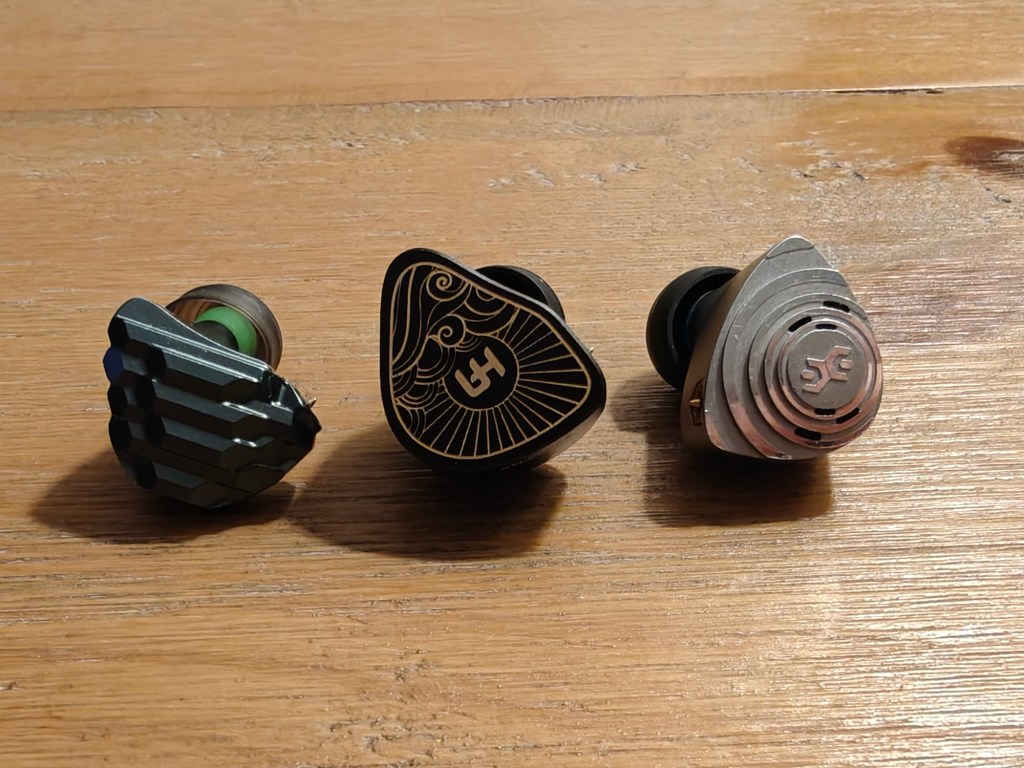
Design wise, there is an interesting hexagonal tubing pattern that makes up the face of the IEM, giving the Sloflo a very unique look. It’s quite polarising, so it will depend whether you prefer a more cyberpunk style of in ear design as to whether you will prefer it to the more classical design of the Noah, but both are good looking IEMs to my eyes.
In terms of accessories and loadout, the Sloflo package is considerably more down to earth than the Noah, coming in a simple brown cardboard box with a simple puck style case compared to the more elaborate packaging and larger and more luxurious carry case on the Noah.
Both come with aftermarket quality cables (interestingly, both Pentaconn Ear and 4.4mm). The Sloflo has an 8-wire Pentaconn braided cable that is thicker and chunkier than the in-house Hercules cable. The Pentaconn cable has a chunky 4.4mm connector, compared to the lower profile and slightly better looking termination on the Hercules model. Both cables are decent, especially for the price bracket, but the Noah’s cable edges it in portability and usability for “out and about” listening compared to the beefier Sloflo model.
Tips are a draw, with Sloflo including two pairs of Pentaconn Coreir metal-cored tips versus the Divinus Velvets included with the Noah.
Sound wise, these IEMs are superficially similar, both having good weight in the low end and good treble clarity. The Sloflo is the more v-shaped and aggressively tuned of the two, with bass that sits a few dB higher in emphasis than the Noah and a more aggressive treble tuning. The midrange on the Sloflo isn’t recessed, but sits just a shade further back on the stage than the large bass and punchy treble. The Sloflo is also easier to drive, running at about 8-10 notches less on the ACRO CA1000 to get the same listening level.
Sound wise, the Sloflo definitely has the more pronounced bass, with a noticeably beefier rendition of “Why So Serious?” In the sub lows. Interestingly, the Sloflo also manages to render the faint ticking after the bass drop about the 3:40 mark, with the Noah kicking in a few seconds later to my ears, so the Sloflo competes well in terms of quality as well as quantity.
Mid bass is similarly boosted on the Sloflo, the Noah providing a more balanced rendition of “You’ve Lost That Lovin’ Feeling” by Elvis and the RPO compared to the much bassier version presented by the Sloflo. The bass guitar is almost overwhelming on the Sloflo version, sitting further forward in the soundscape and carrying a decent amount more heft. Again, quality is kept at a premium, so it trades blows with the Noah on bass quality despite the added emphasis – which you prefer will come down to how much of a basshead you want to be.
Using the same track to compare vocals, the Sloflo feels more raw and jagged, adding more bite to Elvis’ delivery in comparison to the more velvety rendition on the Noah. The Sloflo is definitely the less euphoric of the two IEMs, giving notes a more crunchy edge and slightly more neutral overall tone through the midrange.
Treble follows the same theme, with the Sloflo having a little more bite and emphasis up top to provide a sharper and more cutting edge to things like violins and cymbals, and an overall more crispy texture in comparison to the more organic and rounded treble tone of the Noah. Tracks like “Figaro’s Whore” definitely have more bite and incisiveness to them, but still aren’t overly sharp, so again it will be preference as to whether you prefer the more aggressive V-shaped leaning of the Sloflo or the more balanced Noah.
Technically, the IEMs are similar, with the Sloflo probably pulling slightly ahead in terms of raw resolution, and presenting a slightly vaster stage, but less holographic as a result.
Overall, these are two IEMs that are definitely playing well above their price bracket. If you prefer a more musical and balanced rendition of your tunes or are looking for a more impressive package, the Noah is the recommendation here. If you prefer a heavier bass emphasis without losing technicality or prefer your treble spicier, you may lean towards the Sloflo – both are excellent performers in the sub-$1k bracket so there isn[‘t a bad choice to be made here.
Fatfreq Quantum (1 x planar, c. $799)
The Quantum is a recent release from Singaporean basshead brand Fatfreq, and was another one of my favourites from Canjam (noticing a theme here?). It’s also gathering a similar amount of hype on sites like Head-Fi, so seemed like another good comparison, even if it does sit in a slightly higher price category.
Starting with the packaging, the Quantum is bit more frugal, coming in a small cardboard package a little bugger than the metal puck case held inside. The Quantum metal puck case is pretty bomb proof, but the tradeoff is that you get a case that easily fits your IEMs along with some tips and possibly even a small dongle without any clever packing.
The rest of the loadout is similar – the Noah sports one aftermarket quality cable (the 4-wire Arc from its own range) vs the Ares 8-wired cabling on the Quantum, an IEM cleaning tool and a set of branded tips from Divinus (the Velvet) instead of the Tri Clarions packed by Fatfreq. The only difference is the USB-C to 4.4mm phone dongle included by Hercules Audio, which allows the Noah to be run from any mobile or PC device sporting USB-C. The audio quality is surprisingly good for a bundled dongle, so this additional piece of hardware is a thoughtful touch for when you just want to grab your IEMS and phone and go.
Build on both IEMs is metal, with the Quantum sporting an aluminium and polycarbonate shell. It is a much more cyberpunk style design, with the body made out of a block of aluminum and the ear-facing parts being what looks like 3D printed polycarbonate. It is significantly bigger and more protruding than the Noah, with the pressure relief modules that the IEM comes with sticking out quite far from the ear when fitted. Fortunately, both IEMs fit well in the ear, although the Noah is probably the slightly less snug fit for my own personal ear anatomy despite the smaller size.
So far, so similar. So, how do they sound? Starting with the bass, the sub bass frequencies are relatively similar in quantity and physicality, with “Heaven” by Emile Sande coming through with just a hint more heft and thrum on the Noah, surprisingly. Mid bass is slightly weightier on the Noah too, “Bad Rain” by Slash coming through with a hint more growl on the bass guitar and a tad more slam on the kick drum, versus the slightly cleaner and airier rendition from the Quantum. The Quantum has some tuning options via its NOAH pressure relief system, so you can bring these two IEMs closer if you switch to the bassier “power” module, so bear that in mind when thinking about these comparisons in context – all comparisons are based on use of the SuperStage module that comes fitted as standard.
Detail and texture is similar from both drivers, with the Quantum again sounding slightly cleaner around the edges of the bass notes, but not drastically out-resolving the Noah to my ears. There is a slight uptick in texture and detail when listening to the cello in the into of “Palladio” by Escala, but despite packing in more grain and detail into the notes, the Quantum is slightly less clear than the Noah in presenting the small click that occurs in the left foreground around the 4 second mark, burying it a little closer to the bass note underneath. Overall, both pack high end bass (and not just for the price tag), with the Noah having a little edge in richness and mid bass heft, leaning to a slightly warmer tone to the low end.
Mids are again fairly well matched, with both IEMs handling “Starlight” by Slash well. The Noah is the warmer of the two, with a little more weight to the vocal and slightly less crispness to the hi-hat that plays over the intro. Both IEMs capture the string vibrato and pinch harmonics in the intro well, with the Quantum picking out just a little more detail. Neither IEM are harsh or sibilant to my ears on this track. In terms of pace, both IEMs are reasonably closely matched, neither struggling with smearing or bleed on tracks like “Shadow Life” by Slash or “Holy Wars” by Megadeth. The Noah has a slower decay to the frantic bass drum notes, which leaves it sounding less clinically precise than the Quantum as the track fires into life, but more physically solid and engaging.
Treble is a tale of preferences as much as anything, with the Quantum presenting clean, crisp notes on an airier stage, versus the Noah and its warmer, less crispy upper end. If you are a fan of sparkle and upper-frequency clarity, the Quantum definitely leans more into that sort of bracket versus the more weighted and energetic tuning of the Noah.
Stage wise, not much beats the Quantum at this sort of price bracket, with the Fatfreq IEM producing a wider, deeper and more holographic sounding stage to my ears, compared to the more compact (in comparison) Noah. Layering and separation are in the same ballpark, with the Quantum sounding just a shade clearer and cleaner due to its cooler tuning and greater space on the stage.
Power wise, you can run the Noah well from the included dongle or pretty much any DAP you have, whereas the Quantum needs a beefy source to wake up properly (and c.15 to 20 clicks difference on the A&K SE180 in high gain to get to the same listening volume).
Overall, these were two of my favourite IEMs at Canjam London 2025, so it’s difficult to choose between them. The Quantum leans a little cooler and more clinical, with the edge is staging and some technical aspects. The Noah counters that with a more energetic and engaging tuning that gets the foot tapping and the head moving, and a lovely richness and weight to the sound that doesn’t sacrifice technicality to achieve. Both are stellar performers in this price range, so it really comes down to whether weight and engagement is your jam, or whether you value stage and sparkle over all else.
Elysian Acoustic Labs Pilgrim (1xDD 3xBA, c. $350 art time of writing)
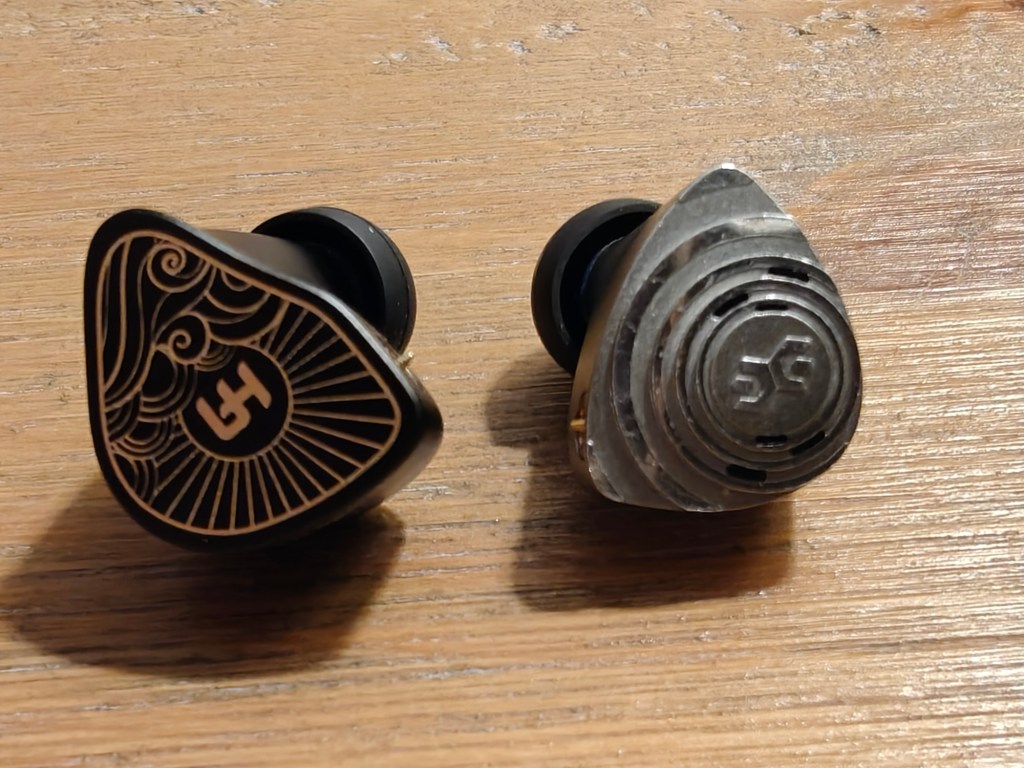
The Pilgrim is a popular 4-driver hybrid from Malaysian manufacturer Elysian Acoustic Labs. It’s a well known model in Head-Fi circles with an identical 1DD / 3BA design and all metal build – in many ways, the Pilgrim gathered a similar sort of buzz to the Noah when it was launched, so seemed like a sensible comparison to make.
Starting with the design, both IEMs are similar, with attractive all-metal shells, Pentaconn Ear connectors and an identical driver loadout. The Pilgrim is a little more intricate with its layered shell design, but both have a similar shape and feel in the ear, with the Pilgrim being the smaller and more ergonomic of the two IEMs. This is countered by the shortness of the nozzles, so you do need to get a decent seal with whatever tips you use (Spiral Dot+ in my case) as the Pilgrim isn’t a deep fitting in-ear. Accessories are also similar, with decent tips and cabling provided by both makers (I lean more towards Hercules Audio on both fronts here) and a nice leather case. Again, I prefer the HA case, mainly for the fact the Pilgrim case is an all-white leather/leatherette design, so almost impossible to keep looking clean if you intend to use it in any real world scenario.
So far, so similar. Moving on to the sound, and again the Pilgrim and the Noah aren’t too dissimilar, sporting very similar tunings to my ear. Both have good low end presence, both are clean and clear through the mids and treble and both pack in plenty of detail for the price bracket.
There are subtle differences between the two IEMs, however. There is slightly more mid bass heft and presence on the Noah, with bass guitars sounding just a little fuller and more voluminous on the HA model. The Pilgrim is a little more dry and restrained in comparison, with bass that leans a little more neutral (although still not bass-shy). The Pilgrim feels a little more airy in the top end, presenting a little less warmth around instruments like cymbals and guitar. Detail is similar between both, with the Noah presenting a more forward and vivid sound overall, with a little more depth to the staging.
Technically, both IEMs perform very well for their price bracket. The Pilgrim probably just shades resolution down low, mainly through the more neutral presentation and the excellent LCP dynamic driver being used. Elsewhere, things are pretty even detail-wise for my ears. In terms of separation and placement of instrument, honours are again pretty even, with the Noah presenting a slightly more 3D stage and keeping up with the Pilgrim’s excellent placement.
There really isn’t a huge amount to differentiate between the two IEMs to my ear – overall, I feel the Noah just pulls ahead with a more musical and engaging tuning, with a little extra weight in the low end, contrasting with the slightly more ethereal feel of the Pilgrim in comparison. Neither would be a poor choice for my musical tastes.
Final thoughts
2025 has been a very good year for the slightly less wealthy in-ear monitor afficionado. The quality of musical reproduction that can be obtained for around $500 these days quite comfortably goes head to head with flagship models from 3-4 years ago, which can only be a good thing for audiophiles. The Noah is another excellent example of this, with a tuning that is technically competent but unashamedly musical at the same time. It doesn’t shy away from what makes music music, putting some oomph into the low and and subtly sculpting the rest of the frequency range to draw you fully into the joy and anima of the music you are listening to.
That might sound a little pretentious, but it’s the best way I can think of describing these IEMs. They aren’t the last word in technical achievement and they won’t bury you in a blizzard of micro-detail, but they will give you a toe-tapping, heart pounding rendition of all of your favourite tunes. That’s something that not that many IEMs or headphones actually achieve, so the care and efforts taken with the sound signature here has to be applauded. If you’re a fan of music, not the gear you listen to it through, the Noah are an absolute no-brainer in the current sub-$1k in-ear landscape.
 glassmonkey
 jackpot77
 TheOneInYellow
 trekasaurus
 Timothy Cose


 Audio Primate
Leave a comment